The rumble of a distant train, the soft glow of a screen in your hands, the immersive soundscape of your favorite game — there’s a unique magic to portable standalone gaming consoles. These aren't just devices; they're gateways to adventure, productivity, and pure escapism, all tucked neatly into your bag or backpack. For years, handheld gaming was largely synonymous with Nintendo, but a new era has dawned, bringing a vibrant ecosystem of powerful machines ready to tackle everything from pixel-art indies to the most demanding AAA blockbusters.
Whether you're a seasoned gamer looking to take your PC library on the road, a Nintendo loyalist eager for the next generation, or someone just discovering the joy of gaming on the go, navigating today's options can feel like a boss battle itself. We’re here to equip you with the knowledge to make the best choice, cutting through the specs and marketing jargon to deliver clear, actionable insights.
At a Glance: Key Takeaways for Your Portable Console Quest
- Nintendo Switch 2 is the newest contender, offering a significant upgrade with a larger 1080p 120Hz display, powerful custom Nvidia chip, and improved Joy-Cons. Ideal for Nintendo exclusives and enhanced visuals.
- Nintendo Switch OLED remains a fantastic value pick, boasting a stunning 7-inch OLED screen and a massive, established game library.
- Steam Deck OLED is the king of handheld PC gaming, praised for its ergonomic design, vibrant OLED screen, and seamless SteamOS experience, letting you play your PC library anywhere.
- Asus ROG Ally X (and its Xbox variant) offers top-tier Windows-based performance, capable of running the latest high-fidelity PC games, but with a slightly steeper learning curve for its OS.
- Lenovo Legion Go (especially the new SteamOS version) stands out with its massive 8.8-inch display and detachable controllers, appealing to those who prioritize screen real estate and PC flexibility.
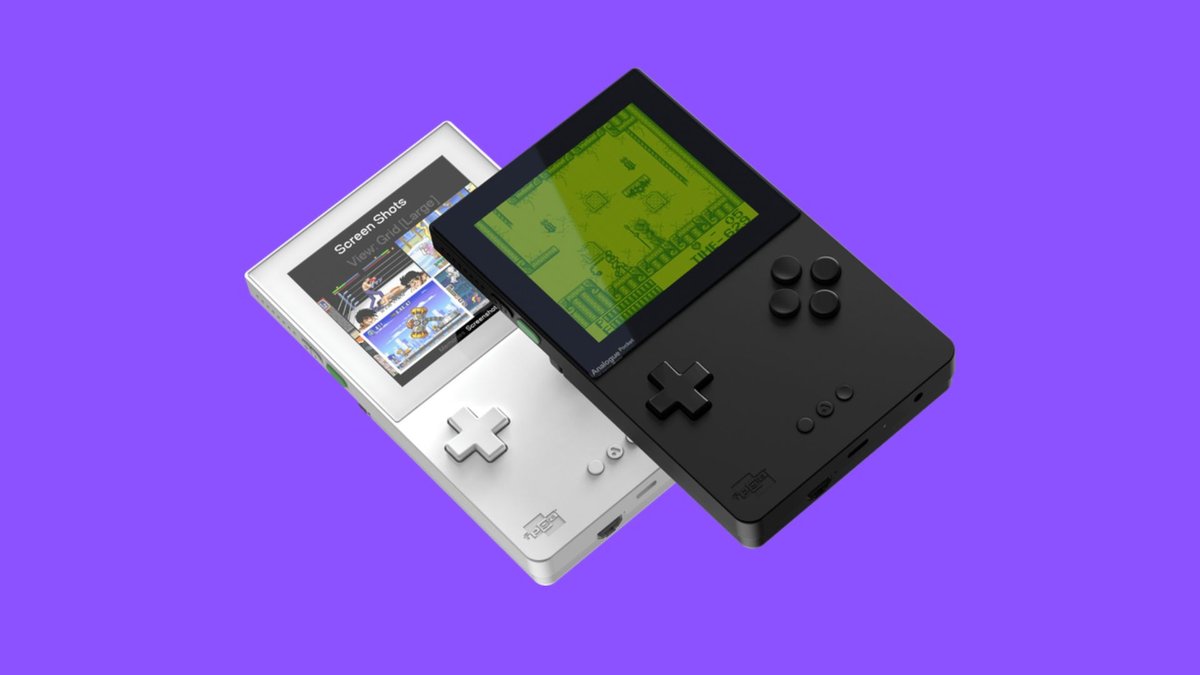
- Analogue Pocket is the undisputed champion for retro enthusiasts, meticulously recreating the Game Boy experience with modern clarity.
- Consider: Screen size/type, raw performance (for game types), operating system (simplicity vs. flexibility), ergonomics, and battery life when making your decision.
Why Go Portable Now? The Golden Age of Handheld Gaming
Remember huddling around a tiny Game Boy screen, or maybe just a smartphone struggling to run a graphically intensive title? Handheld gaming has come a long way. What was once a niche dominated by simpler games is now a thriving landscape where powerful systems rival traditional consoles and even some gaming PCs. The convenience of picking up and playing anywhere – on a commute, during a lunch break, or simply relaxing on the couch while the TV is occupied – is undeniable.
This isn't just about playing any game; it's about playing your games, your way. From the latest AAA releases to a deep dive into retro classics or sprawling indie worlds, there’s a portable console designed specifically for that experience. The technology has matured, offering vibrant displays, robust controls, and impressive processing power that makes handheld play truly satisfying.
What Makes a Great Portable Gaming Console? Your Buying Checklist
Choosing the right portable standalone gaming console isn't just about picking the most expensive option; it’s about aligning the device with your specific gaming habits and priorities. Here's what to critically evaluate before you invest:
Performance & Graphics: Powering Your Pixel Adventures
This is where the rubber meets the road for modern games. A console's processor (CPU), graphics chip (GPU), and RAM determine what games it can run, at what resolution, and with what frame rate.
- For AAA Games: Look for powerful AMD Ryzen Z1 Extreme or Z2 Extreme chips (found in devices like the ROG Ally X or Legion Go 2) or the custom Nvidia silicon in the new Switch 2. These deliver the best 3D graphics and smoother performance for demanding titles like Cyberpunk 2077 or Black Myth: Wukong.
- For Nintendo Exclusives & Indies: The Nintendo Switch lineup, while less powerful than its PC-centric counterparts, is perfectly optimized for its extensive library of first-party and indie games. Frame rates are smoother and resolutions higher on the newer Switch 2 compared to the OLED, enhancing games like Breath of the Wild or Tears of the Kingdom.
- For Retro Gaming: Raw power is less important here. The Analogue Pocket, for example, prioritizes accurate hardware emulation over brute force.
Display Quality: Your Window to Virtual Worlds
The screen is your primary interface, and its quality dramatically impacts your gaming experience.
- Size: Ranging from the Analogue Pocket's 3.5-inch display to the Legion Go's expansive 8.8-inch screen. Larger screens offer more immersion but can make the device less portable.
- Type:
- OLED: Offers incredible contrast, deep blacks, and vibrant colors (e.g., Nintendo Switch OLED, Steam Deck OLED, Legion Go 2). Generally considered superior for visual fidelity.
- LCD: Still very good, but typically less vibrant and with poorer contrast than OLED (e.g., original Steam Deck, some Legion Go variants).
- Resolution:
- 1080p (Full HD): A sweet spot for 7-inch to 8-inch screens, balancing sharpness with performance (e.g., Switch 2, ROG Ally X).
- 720p: Common on older Switches, still good for the screen size.
- 2K (2560 x 1600): Featured on the Legion Go. While sharp, this high resolution can sometimes strain the GPU, forcing you to lower in-game settings for smooth frame rates.
- Refresh Rate: A higher refresh rate (e.g., 120Hz for Switch 2, ROG Ally X, Legion Go) means smoother visuals, especially in fast-paced games, compared to 60Hz.
Ergonomics & Comfort: Hours of Pain-Free Play
A powerful console is useless if it’s uncomfortable to hold.
- Weight & Balance: Heavier consoles (like the Legion Go 2) can cause fatigue over long sessions. Balance is key; a well-balanced device feels lighter.
- Controller Design: Integrated (Steam Deck) or detachable (Switch, Legion Go). The Steam Deck OLED is lauded for its ergonomic grips, while the ROG Xbox Ally X is inspired by Xbox controllers. The Switch 2 features improved magnetic Joy-Cons.
- Kickstand: A sturdy, full-width kickstand (like on the Switch OLED/2 and Steam Deck) is invaluable for tabletop play.
Operating System & User Experience: Simplicity vs. Flexibility
The OS dictates how you interact with your games and the device itself.
- SteamOS: (Steam Deck OLED, Legion Go S) User-friendly, console-like interface designed specifically for handheld gaming. Excellent for navigating your Steam library and verified games.
- Windows 11: (ROG Ally X, Legion Go 2, MSI Claw) Offers unparalleled flexibility, letting you access virtually any PC game launcher (Steam, Epic, Xbox Game Pass, GOG) and even use it as a mini-PC. However, Windows 11 can be clunky and less optimized for a handheld touch interface, sometimes requiring more setup and tweaking.
- Nintendo’s Custom OS: Simple, intuitive, and optimized solely for Nintendo's ecosystem.
- Analogue OS: Focused purely on cartridge play and emulation.
Game Library & Compatibility: What Can You Actually Play?
This is often the deal-breaker.
- Nintendo Exclusives: If you want Super Mario Odyssey, Animal Crossing: New Horizons, or the latest Zelda games, a Nintendo Switch is non-negotiable.
- PC Games: For access to your existing Steam, Epic, or Xbox Game Pass PC library, a Steam Deck or Windows-based handheld (ROG Ally, Legion Go) is essential. The "Deck Verified" system on Steam Deck makes compatibility clear.
- Retro Games: The Analogue Pocket is built specifically for physical cartridges, while devices like Retroid Pocket focus on emulation. Some PC handhelds can also emulate with varying degrees of complexity.
Battery Life: Powering Your Adventures
A critical factor for any portable device.
- Modern AAA Games: These are power hogs. Expect 2-4 hours of intense gaming on most high-performance PC handhelds (e.g., ROG Xbox Ally X's 80 Wh battery offers ~3 hours).
- Indie/Lighter Games: Can stretch battery life significantly. The Switch 2, for example, offers around 2 hours for demanding titles.
- Consider a Power Bank: An essential accessory for extending play sessions on the go.
Storage: Room for Your Game Collection
Games are getting larger, so ample storage is crucial.
- Internal Storage: Ranges from 64GB (older Switch models) to 1TB or more on higher-end PC handhelds.
- Expandability: Most consoles support microSD cards for additional storage, which is often a necessity.
Price & Value: Balancing Cost and Features
Portable consoles range from around $200 for budget retro options to well over $1000 for top-tier Windows machines.
- Value: A console like the Switch OLED offers great value for its price, given its screen and library. The Steam Deck OLED is also lauded for its value in the PC handheld space.
- Premium: The Legion Go 2 or ROG Xbox Ally X sit at the higher end, justified by their performance and features.
Deep Dive: The Best Portable Standalone Gaming Consoles Right Now
Here's a closer look at the top contenders in the rapidly expanding world of handheld gaming.
Nintendo Switch 2: The Next Evolution of Nintendo's Vision
Release Date: June 5th (as per context research)
Price: $449
The highly anticipated Nintendo Switch 2 has arrived, and it marks a significant leap forward for Nintendo's hybrid console concept. It’s designed to enhance everything you love about the Switch while addressing key limitations.
What's New & Noteworthy:
- Stunning Display: A larger 7.9-inch 1080p 120Hz screen delivers sharper images and incredibly smooth motion, making games like Donkey Kong Bananza look vibrant.
- Powerful Internals: A custom Nvidia chip, complete with DLSS (Deep Learning Super Sampling) technology, means more stable frame rates and higher resolutions for existing games, plus the ability to handle future demanding titles. Expect existing favorites like Breath of the Wild and Tears of the Kingdom to see notable improvements.
- Improved Design: Magnetic Joy-Cons offer a more secure and reliable connection, and the kickstand has been upgraded for greater stability.
- Hybrid Experience: It retains the core Switch functionality, seamlessly transitioning between handheld mode and docked TV play (with implied 4K output).
Who It's For:
This is the console for Nintendo fans who want the absolute best experience with exclusive titles, enjoy couch co-op, and appreciate enhanced visuals and performance. If you're upgrading from an original Switch or looking for your first Nintendo system, this is the premium choice.
Considerations: - Battery Life: Approximately 2 hours in demanding handheld mode, similar to previous models for high-end play.
- Ergonomics: While Joy-Cons are improved, it still lacks integrated ergonomic grips seen on other handhelds.
Nintendo Switch OLED: The Refined Classic for Value & Family Fun
Release Date: 2021
Price: Often found at competitive prices, offering excellent value.
Before the Switch 2, the Nintendo Switch OLED was the pinnacle of the original Switch design, offering crucial quality-of-life upgrades that made it a joy to play.
What Makes It Shine:
- Gorgeous OLED Display: Its 7-inch OLED screen is the star, delivering deep blacks, vibrant colors, and impressive contrast that makes games pop. It’s a noticeable upgrade from the original Switch's LCD.
- Enhanced Build: Features a much sturdier, wide kickstand, thinner bezels around the screen, better built-in speakers, and a wired Ethernet port on the dock for more stable online play.
- Vast Game Library: Access to the full, celebrated Nintendo Switch catalog, including timeless titles like Super Mario Odyssey, Animal Crossing: New Horizons, and Mario Kart 8 Deluxe.
Who It's For:
If you're a casual gamer, a family looking for shared gaming experiences, or someone who prioritizes an amazing screen for Nintendo's unique library without needing the absolute bleeding-edge performance of the Switch 2, the Switch OLED offers fantastic value.
Considerations: - Aging Technology: While great, its internal hardware is older than the PC handhelds and the new Switch 2.
- Joy-Con Drifting: While not unique to the OLED, Joy-Con drift remains a known issue across the Switch family.
Steam Deck OLED: The PC Gamer's Portable Dream
The original Steam Deck revolutionized handheld PC gaming, and the Steam Deck OLED refines that experience to near perfection. It’s widely regarded as the "best handheld gaming PC" for its balance of power, ergonomics, and user-friendliness.
What Sets It Apart:
- Stunning OLED Screen: A vibrant 7.4-inch HDR-capable OLED display with up to 600 nits peak brightness makes your PC games look incredible on the go.
- Ergonomic Design: Its chunky, comfortable grips and well-placed controls make long gaming sessions a breeze, earning it praise for its superior comfort compared to many Windows handhelds.
- SteamOS: Running Valve's custom Linux-based SteamOS, it offers a console-like interface that's easy to navigate, with a "Deck Verified" system to quickly see which games run well.
- Your PC Library, Anywhere: Play thousands of games from your Steam library, and with a bit of tinkering, even non-Steam games or other launchers.
- Improved Internals: Enhanced cooling, Wi-Fi 6, and a larger battery mean quieter operation, faster downloads, and extended playtimes compared to the original Steam Deck.
- Included Carrying Case: A thoughtful addition for protection and portability.
Who It's For:
This is the ultimate choice for PC gamers who want to seamlessly take their Steam library on the go. If you prioritize ease of use, comfort, and an excellent screen for a vast catalog of PC titles, the Steam Deck OLED is your champion.
Considerations: - Not a Windows PC: While flexible, it's not natively running Windows, which might be a hurdle for some specific applications or very niche games.
- Performance: While excellent for its price, it might not hit the highest frame rates or resolutions on the most demanding AAA titles compared to higher-end Windows handhelds.
Asus ROG Ally X / ROG Xbox Ally X: Uncompromising Power in Your Hands
Price: $800 (MSRP for Ally X), $999 (for ROG Xbox Ally X)
The Asus ROG Ally burst onto the scene as a true competitor in the Windows handheld space, and the ROG Ally X (and its special ROG Xbox Ally X variant) takes that concept and supercharges it. These are devices built for raw performance, aiming to run Cyberpunk 2077 and other high-fidelity games with impressive results.
What Makes Them Performance Beasts:
- Top-Tier Performance: Equipped with powerful AMD Ryzen Z2 AI Extreme chips, these consoles generally outperform the Steam Deck in raw graphical horsepower.
- Sharp Display: The original ROG Ally boasted a 7-inch 120Hz 1080p screen, a feature likely carried forward or improved upon.
- Windows 11 Flexibility: Run virtually any PC game launcher or application you want, making it a truly versatile portable PC.
- ROG Xbox Ally X Specifics: Features a simplified Windows 11 experience that boots directly into an Xbox-inspired UI, an ergonomic body designed like an Xbox controller, and a significant 80 Wh battery (around 3 hours for intense gaming).
Who They're For:
These consoles are for the power user who wants to play the absolute latest and most graphically demanding PC games at higher settings and frame rates on a handheld. If you don't mind a bit more complexity in the OS for maximum versatility, the Ally X is a strong contender.
Considerations: - Windows UI Complexity: While flexible, navigating Windows 11 and organizing game libraries can be less streamlined and more cumbersome than SteamOS for handheld use. Asus's Armoury Crate software aims to simplify this but can still feel clunky.
- Ergonomics: Some users find them less comfortable to hold for extended periods than the Steam Deck OLED.
- Price: At $800-$999, they represent a significant investment.
- "Xbox Play Anywhere" branding: The "Xbox Ally" name can be confusing, implying Xbox exclusivity when it's still a full Windows PC.
Lenovo Legion Go Family: Big Screens, Bold Choices
The Legion Go series from Lenovo stands out with its commitment to large screens and detachable controllers, offering a unique take on the handheld PC experience.
Lenovo Legion Go (Original)
The original Legion Go made waves with its massive 8.8-inch 144Hz screen and detachable controllers, similar to the Switch but on a much grander scale.
Key Features:
- Huge Display: An 8.8-inch 144Hz display with a 2K (2560 x 1600) resolution makes games and media pop.
- Detachable Controllers: Provides flexibility for different play styles.
- Windows 11: Offers the full PC experience, compatible with various launchers like Xbox Game Pass.
- AMD Ryzen Z1 Extreme Processor: Delivers solid performance.
Considerations: - Screen Resolution: The 2K resolution is stunning but can be very demanding on the hardware, often requiring lower in-game settings to maintain smooth frame rates.
- Windows 11 Experience: While customizable, it can feel awkward to navigate on a handheld without a proper mouse and keyboard.
- Size: It's one of the largest handhelds, impacting portability and potentially comfort for some.
Lenovo Legion Go 2
The Legion Go 2 aims to refine the original's vision with significant upgrades.
Key Features:
- Even Better Display: An "excellent" 8.8-inch OLED touchscreen (considered one of the best handheld displays available) at 2K resolution.
- Improved Ergonomics: Redesigned for better comfort, addressing a common criticism of the original.
- Newer Chip: Features the powerful AMD Ryzen Z2 or Z2 Extreme chip, boosting performance.
- Detachable Controllers: Retains the modularity.
Who It's For:
If you prioritize the largest, most vibrant screen possible on a handheld PC and appreciate detachable controllers, and you're comfortable tinkering with Windows 11 settings for optimal performance, the Legion Go 2 is a high-end, immersive option.
Considerations: - Price: At up to $1,479, it’s a premium device.
- Size: Still the "largest handheld console," which might be a deterrent for maximum portability.
- Windows 11 & Battery Life: Requires setup for optimal performance, and Windows 11 combined with such a large, high-resolution screen can strain battery life.
Lenovo Legion Go S with SteamOS
This is a game-changer for the Legion Go line and perhaps the handheld PC market. The Legion Go S is the first non-Steam Deck handheld to natively run SteamOS, positioning it as a "true Steam Deck rival."
Key Features:
- SteamOS: Offers the superior usability and optimized performance of SteamOS, making it a much more console-like experience than its Windows siblings.
- LCD Display: Features an 8-inch 120Hz LCD screen (1920 x 1200 resolution), still large and vibrant.
- AMD Z1 Extreme Chip: Delivers strong performance for SteamOS.
- Improved Controls: Features trigger locks and a round D-pad, enhancing gaming feel.
Who It's For:
This console is for those who loved the big screen and detachable controllers of the Legion Go but wanted the streamlined, user-friendly experience of SteamOS. It bridges the gap between the Steam Deck's OS and the Legion Go's hardware ambitions. If you want a large-screen, SteamOS-native device without the Valve branding, this is it.
Considerations: - LCD vs. OLED: While an excellent LCD, it might not have the same visual punch as the OLED screens on the Steam Deck OLED or Legion Go 2.
Analogue Pocket: Reliving Retro Glory, Reimagined
For the purists and collectors of yesteryear, the Analogue Pocket is an absolute marvel. It’s hands down the "best retro handheld console" on the market.
What Makes It Special:
- Flawless Cartridge Play: Designed to natively play Game Boy, Game Boy Color, and Game Boy Advance cartridges with stunning clarity and precision, far surpassing original hardware.
- Modern Visuals & Audio: Features a high-resolution 3.5-inch LCD display (1600 x 1440 resolution, 615 ppi) that makes old pixel art sing, along with superior audio output.
- FPGA Technology: Utilizes Field-Programmable Gate Array technology for true hardware recreation, not emulation, ensuring unparalleled accuracy.
- Digital Preservation: Can also play ROMs (of legally owned titles) for 8- and 16-bit systems, transforming into a versatile digital retro machine.
- Dock Compatibility: A separate dock allows for TV play.
Who It's For:
This is a niche, premium product for serious retro enthusiasts and collectors. If you have a collection of old Game Boy cartridges and want to experience them in the best possible way, or if you're keen on digital retro preservation, the Analogue Pocket is an investment worth making.
Considerations: - Price: It’s a premium device for a niche market.
- Not a Modern Console: It's exclusively for retro gaming; it won't play modern AAA titles.
- Availability: Can sometimes be hard to get due to high demand.
Other Players on the Field (and a Word of Caution)
While the consoles above represent the cream of the crop, you might encounter other devices in your search:
- MSI Claw: Another Windows OS-based handheld, similar in concept to the ROG Ally. It offers comparable performance but has had mixed reviews regarding its software and ergonomics. Keep an eye on its future iterations.
- PlayStation Portal: It's crucial to understand that the PlayStation Portal is not a standalone gaming console. It's a remote-play device that streams PS5 games over Wi-Fi. It requires a PS5 console and a strong internet connection to function. Great for extending your PS5 play to another room, but not for gaming on the go without your console nearby.
- Retroid Pocket: These are dedicated retro emulation machines, often running Android, focused on playing ROMs across a huge range of classic systems. They offer excellent value for emulation but typically don't play physical cartridges like the Analogue Pocket, nor do they run modern PC games.
Navigating the Ecosystem: Which Console is Right for You?
With such a diverse field, making a final decision can be tough. Here are some common scenarios to help you narrow down your options:
- "I want the absolute latest from Nintendo and exclusive games, plus better performance."
Go for the Nintendo Switch 2. You'll get the best of Nintendo's iconic franchises with significant graphical and performance enhancements. - "I want a great value, a massive, proven game library, and a beautiful screen for family-friendly fun."
The Nintendo Switch OLED is your best bet. Its OLED screen is fantastic, and the existing Switch library is unparalleled for variety and quality. - "I'm a PC gamer and want to take my Steam library anywhere with a console-like experience."
The Steam Deck OLED is purpose-built for you. Its ergonomics, SteamOS, and vibrant screen make it the best choice for seamless portable PC gaming. - "I need maximum raw power for demanding PC games on the go, and I don't mind a bit of Windows tinkering."
Look at the Asus ROG Ally X or Lenovo Legion Go 2. These beasts are designed to push the boundaries of handheld performance for the latest AAA titles. For a truly standalone content hub of power, these deliver. - "I love retro games and want the best, most authentic way to play my old cartridges."
The Analogue Pocket is the only real answer here. Its hardware accuracy and stunning display make it a must-have for nostalgic purists. - "I want a massive screen and the flexibility of a PC, but also like the idea of SteamOS simplicity."
The upcoming Lenovo Legion Go S with SteamOS is perfectly poised for you, combining the large Legion Go form factor with the streamlined SteamOS experience. If you’re willing to tackle Windows for ultimate flexibility, the original Legion Go or Legion Go 2 are options.
Beyond the Box: Essential Accessories & Tips
Once you've chosen your weapon of choice, a few accessories can significantly enhance your experience:
- Protective Case: Essential for safeguarding your investment, especially when traveling.
- Screen Protector: A simple way to prevent scratches on your precious display.
- High-Capacity microSD Card: Most portable consoles benefit hugely from expanded storage, allowing you to download more games without worry.
- Portable Power Bank: Crucial for extending battery life on long trips or intense gaming sessions.
- Comfort Grips/Controller Enhancements: For devices like the Switch, third-party grips can drastically improve ergonomic comfort.
The Future of Portable Gaming: Your Next Adventure Awaits
The landscape of portable standalone gaming consoles is more dynamic and exciting than ever before. With advancements in chip design, display technology, and operating systems specifically tailored for handheld use, we're likely to see even more innovation. The line between traditional consoles, PCs, and handhelds continues to blur, offering gamers unprecedented freedom and choice.
Whether you're battling dragons, building empires, or simply reliving cherished retro memories, there's a perfect handheld companion waiting for you. Take this guide, arm yourself with confidence, and step into the incredible world of gaming on the go. Your next great adventure is quite literally in your hands.