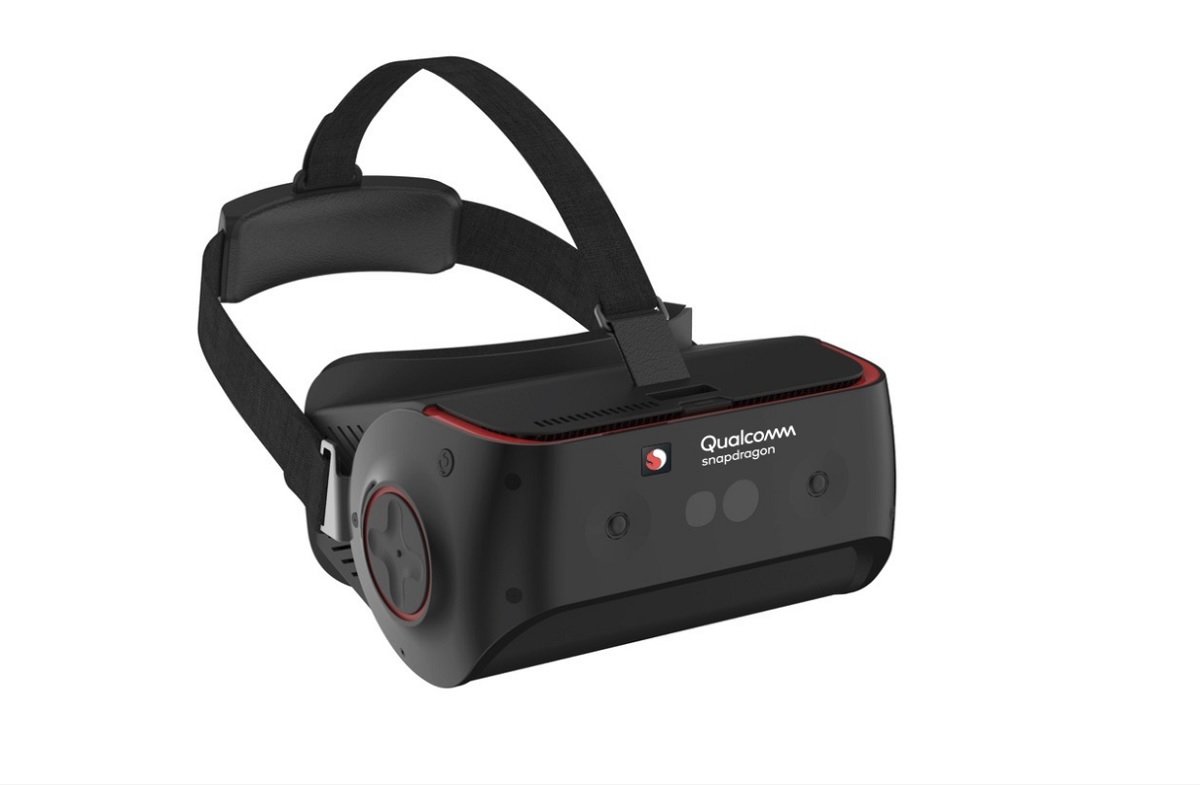
The rumble of an approaching dragon, the weightlessness of a zero-gravity environment, the focus of a virtual workstation spread across your living room wall—all experienced without a single cable tethering you to a PC or console. This is the promise of Standalone VR & AR Headsets, and it’s a reality that's transforming how we interact with digital worlds. Gone are the days of complex setups and tangled wires; today's best untethered headsets offer stunning visuals, intuitive controls, and unparalleled freedom, making immersive experiences more accessible than ever before.
But with so many options, how do you choose the right one? As a seasoned journalist covering the bleeding edge of immersive technology, I'm here to cut through the jargon and guide you to the headsets truly worth your investment.
At a Glance: What You Need to Know About Standalone Headsets
- Cable-Free Freedom: Standalone headsets are all-in-one units, eliminating the need for external computers or consoles.
- Mixed Reality Powerhouses: Most modern VR headsets include "pass-through" cameras, allowing you to see and interact with your real surroundings while virtual elements are overlaid.
- Top Pick for Most: The Meta Quest 3 offers the best balance of features, performance, and price for general VR and mixed reality.
- Budget-Friendly Entry: The upcoming Meta Quest 3S promises a comprehensive VR experience at a lower cost, ideal for newcomers.
- The Premium Experience: The Apple Vision Pro redefines spatial computing with its unparalleled hardware and intuitive interaction, albeit at a luxury price.
- Evolving AR: Dedicated augmented reality smart glasses are still a developing category, offering lighter form factors but more limited immersion.
- Consider Your Use Case: Your budget, primary activities (gaming, productivity, social), and desired ecosystem will heavily influence your best choice.
Why Go Standalone? The Core Appeal of Untethered Experiences
Imagine slipping on a headset and immediately being transported, no fuss, no frantic searching for ports or untangling cables. That’s the core appeal of standalone VR headsets. They are self-contained marvels, packing all the necessary computing power, displays, and tracking technology into a single, comfortable unit.
This freedom isn't just a convenience; it's a game-changer for immersion. With outward-facing cameras handling motion tracking, you can spin, duck, and stride across your play space without worrying about tripping over wires or losing sight of external base stations. These devices leverage high-end mobile processors, like Qualcomm's Snapdragon XR series, to render detailed, smooth graphics, all while keeping latency to a minimum. For many, this untethered approach is the purest way to explore standalone concepts in virtual worlds.
Standalone vs. Tethered: A Quick Comparison
While standalone headsets offer unmatched portability, it's worth understanding their relationship to their tethered counterparts.
- Standalone VR Headsets:
- Pros: Ultimate physical freedom, easy setup, portable, often more affordable overall.
- Cons: Generally less graphical fidelity than high-end PC VR (though the gap is shrinking), limited battery life.
- Examples: Meta Quest 3, Apple Vision Pro, Meta Quest 3S.
- Tethered VR Headsets:
- Pros: Highest graphical power (leveraging a powerful PC or console), access to the most demanding VR experiences, no battery concerns (for the headset).
- Cons: Unwieldy cables, often requires external base stations, expensive upfront cost (headset + powerful PC/console).
- Examples: HTC Vive Pro 2, Valve Index, PlayStation VR 2.
Interestingly, many standalone headsets, particularly from Meta, offer a hybrid solution. They can tether to a powerful gaming PC, allowing you to access a vast library of PC VR games while still offering the standalone option for casual use. This makes them a remarkably cost-effective entry point for those who might eventually want to explore both worlds without buying two separate headsets.
Demystifying Mixed Reality (XR) and Augmented Reality (AR)
The immersive tech landscape isn't just about escaping to purely virtual worlds anymore. Most modern standalone VR headsets are also Mixed Reality (XR) headsets. This means they use color pass-through cameras to capture your real-world surroundings and then blend virtual elements seamlessly into that view. You can see your living room, interact with digital objects placed within it, or even use virtual screens that appear to float in space. It's a powerful fusion of the physical and digital.
Augmented Reality (AR) smart glasses, on the other hand, represent a different approach. These are typically lighter, more comfortable wearable devices that use tiny projectors to display images directly onto lenses. Think of them as high-tech eyewear that can show notifications, directions, or small digital overlays in your direct line of sight.
While AR smart glasses offer a tantalizing glimpse into a heads-up, always-on digital future, they are fundamentally different from full XR headsets. They have a much smaller field of view (the rectangular area where virtual content appears) and don't fully replace your view of the world. They enhance reality rather than blending it on a grand scale. This category is still very much in its infancy, with the technology rapidly evolving but not yet delivering the immersive experiences of full headsets.
Your Guide to the Best Standalone VR & AR Headsets Available Now
When it comes to untethered immersive experiences, a few devices truly stand out. Here's a breakdown of the top contenders, tailored for different needs and budgets.
Meta Quest 3: The Best All-Rounder for Most People
If you're looking for the single best standalone VR and mixed reality experience that delivers incredible value without breaking the bank, the Meta Quest 3 is your champion.
- Why it's our top pick: The Quest 3 represents a significant leap forward from its predecessor. It boasts higher resolution displays, a wider field of view that pulls you deeper into virtual worlds, and, crucially, a vastly improved color pass-through camera. This means its mixed reality capabilities are genuinely impressive, allowing you to blend virtual content with your real environment with surprising clarity.
- Under the Hood: Powered by the formidable Qualcomm Snapdragon XR2 Gen 2 processor, the Quest 3 delivers smooth, detailed graphics that push the boundaries of standalone performance. This power also makes it an excellent choice for demanding social VR platforms like VRChat, where performance can make or break the experience.
- Hybrid Power: Remember its dual nature? The Quest 3 can also tether to a PC, providing access to an even wider library of high-fidelity PC VR games. This flexibility makes it a remarkably versatile device.
- The Verdict: For anyone who plans to use VR regularly—whether for gaming, fitness, social experiences, or dipping into mixed reality—the Quest 3 is worth the expense. It's the most comprehensive and user-friendly standalone headset available for the mass market.
Meta Quest 3S: The Smart Entry Point to Comprehensive VR
Hot on the heels of the Quest 3, Meta is introducing the Quest 3S, positioning it as an ideal introductory headset.
- Key Features: The Quest 3S shares the same powerful Qualcomm Snapdragon XR2 Gen 2 processor as its sibling, ensuring excellent performance. It also includes color pass-through cameras, retaining those crucial mixed reality capabilities that define the Quest platform.
- The Compromise: To hit a lower price point—reportedly $200 less than the Quest 3—the 3S makes some display compromises. Its displays are less sharp and offer a narrower field of view.
- The Verdict: For newcomers to VR or those on a tighter budget, the Quest 3S offers the most comprehensive VR experience at the lowest price without sacrificing core features or the robust Quest content library. It's a smart way to dive into immersive worlds without major compromises.
Apple Vision Pro: A Glimpse into the Future (If You Can Afford It)
The Apple Vision Pro is not just a VR headset; Apple calls it a "spatial computer." And for a good reason. This device represents the pinnacle of standalone immersive technology, though it comes with a premium price tag.
- Revolutionary Interaction: The Vision Pro relies entirely on intuitive eye and hand tracking. There are no external controllers; you simply look at what you want to select and pinch your fingers to activate it. This interaction method feels incredibly natural and futuristic.
- Best-in-Class Hardware: Running on Apple's bespoke VisionOS and powered by a combination of the M5 chip (for raw performance) and the R1 chip (for processing sensor input), the Vision Pro delivers an unparalleled experience. Its micro-OLED displays offer stunning clarity and sharpness, creating the best mixed reality experience currently available.
- Productivity Powerhouse: Beyond entertainment, the Vision Pro excels as a virtual workstation. It allows you to create customizable virtual displays of any size, place multiple windows around your physical space, and even connect a Bluetooth keyboard for serious productivity work.
- The Verdict: At $3,500, the Vision Pro is a significant investment and very much an early adopter device. However, for those seeking the most polished, intuitive, and powerful experience possible—a true splurge-worthy upgrade from Meta's offerings—the Vision Pro delivers a glimpse into the future of computing today.
Samsung Galaxy XR: The Android Answer to Spatial Computing
Entering the high-end mixed reality space, the Samsung Galaxy XR is poised as a direct competitor to the Apple Vision Pro.
- Vision Pro-esque Features: Expect similar features and functions, including a clear view of your surroundings and intuitive eye and hand controls. This suggests a strong focus on spatial computing and mixed reality experiences.
- Android XR Platform: Notably, the Samsung Galaxy XR is the first consumer device to leverage Google's Android XR platform, potentially opening up a new ecosystem of apps and services built around Android's vast developer community.
- The Verdict: While details are still emerging, the Samsung Galaxy XR offers a compelling alternative for those looking for a premium mixed reality experience within the Android ecosystem, directly challenging Apple's vision for spatial computing.
Beyond Standalone: When Other Headsets Shine (Contextual Recommendations)
While standalone options offer incredible freedom, there are still scenarios where tethered or specialized headsets provide a superior experience.
PlayStation VR 2: Exclusively for PS5 Gamers
If you own a PlayStation 5 and want to dive into exclusive VR gaming titles, the PlayStation VR 2 is your only choice.
- Leveraging PS5 Power: This headset fully utilizes the PS5's raw processing power, delivering stunning visuals and sophisticated game experiences.
- Cutting-Edge Tech: It features new eye-tracking and advanced motion-control technology, offering precise interaction and enabling foveated rendering (where only the area you're looking at is rendered in full detail).
- Sharp Display: The lightweight design houses a sharp OLED display with 2,000x2,040 pixels per eye, ensuring vibrant colors and deep blacks.
- The Verdict: If you're a PS5 owner seeking a high-quality, game-centric VR experience, the PSVR 2 is built specifically for you.
HTC Vive Pro 2: For the Ultimate PC VR Enthusiast
For PC VR purists who demand the absolute best in visual fidelity and don't mind the cables and complexity, the HTC Vive Pro 2 remains a top contender.
- Unrivaled Sharpness: The Vive Pro 2 offers arguably the sharpest VR picture available, with a stunning resolution of 2,448x2,448 pixels per eye. This makes text incredibly clear and distant objects highly discernible.
- Open Ecosystem: It works seamlessly with SteamVR, giving you access to the largest library of PC VR titles, and also links to the Viveport store, which offers a subscription service called Viveport Infinity for a monthly fee starting at $5.99.
- Enthusiast-Grade: This setup is ideal for enthusiasts building elaborate racing or flight cockpits, as it integrates perfectly with existing PC simulation setups.
- The Verdict: With a headset-only cost of at least $1,300 and requiring a powerful PC, the Vive Pro 2 is a significant investment. However, for those who want the best tethered VR experience (especially when paired with Valve Index controllers), it delivers.
Valve Index: The Elusive High-End PC VR
The Valve Index is another highly regarded PC-tethered headset, costing around $600 for the headset alone. However, its components can be inconsistently available, making it a challenging recommendation for consistent purchase. When available, it offers a fantastic PC VR experience, known for its high refresh rate and innovative "knuckle" controllers.
The Evolving World of Wearable AR: Smart Glasses on the Horizon
Beyond full-fledged headsets, the market for augmented reality smart glasses is slowly but surely developing. Companies like Meta (with their Ray-Ban Display glasses) and Rokid (with their Rokid Glasses) are pushing the boundaries of what's possible in a sleek, wearable form factor.
These devices primarily function as wearable displays, capable of showing notifications, taking photos/videos, or offering limited augmented reality functions. They typically connect to your smartphone and offer a window into digital information rather than a fully immersive experience.
While incredibly convenient for everyday use, they are not yet fully polished for robust AR experiences. The field of view is often small, and the digital overlays are usually quite basic. However, this category holds immense potential for the future, promising a world where digital information seamlessly integrates into our daily lives without the need to pull out a phone.
Choosing Your Ideal Standalone Headset: Key Considerations
Navigating the immersive tech market can feel overwhelming. To find the right standalone headset for you, consider these crucial factors:
- Budget vs. Features:
- Entry-Level (e.g., Quest 3S): Best for trying out VR without a huge commitment, offering core features at the lowest price point.
- Mid-Range (e.g., Quest 3): The sweet spot for most users, balancing advanced features, performance, and price.
- Premium (e.g., Apple Vision Pro, Samsung Galaxy XR): For those seeking the absolute best, willing to pay for cutting-edge technology, intuitive interfaces, and powerful mixed reality capabilities, often with an emphasis on productivity.
- Intended Use Case:
- Gaming: If gaming is your priority, look for a large content library (Meta Quest store, SteamVR via PC tethering), responsive controllers, and good comfort for extended sessions. The Meta Quest 3 is excellent here.
- Productivity/Work: The Apple Vision Pro excels as a "spatial computer" with its multi-window virtual workstation capabilities. Consider if you truly need these advanced features.
- Social VR: Platforms like VRChat thrive on powerful processors and clear displays, making the Meta Quest 3 a strong choice.
- Fitness/Active Experiences: Lightweight design, good sweat resistance, and comfortable straps are key. Most standalone headsets perform well here.
- Mixed Reality/AR: If blending digital and physical is crucial, headsets with high-quality color pass-through (Quest 3, Vision Pro) are essential.
- Ecosystem:
- Meta Ecosystem: Offers the largest and most developed standalone content library, robust social features, and PC VR tethering.
- Apple Ecosystem: For existing Apple users, the Vision Pro integrates seamlessly with your devices and offers a unique, highly polished experience within VisionOS.
- Android XR (e.g., Samsung Galaxy XR): A new and developing ecosystem that could leverage the vast Android developer community for future content.
- Comfort and Ergonomics:
- Weight Distribution: A well-balanced headset reduces fatigue.
- Head Straps: Adjustable and comfortable straps are crucial for long sessions. Many headsets offer aftermarket strap upgrades.
- Fit for Glasses: If you wear glasses, check if the headset accommodates them or if prescription inserts are available.
- Future-Proofing:
- While tech evolves quickly, investing in a headset with a powerful processor (like the Snapdragon XR2 Gen 2) ensures compatibility with future, more demanding applications. High-resolution displays and a wide field of view also contribute to a longer lifespan of enjoyment.
Navigating the XR Landscape: Common Questions Answered
- What about battery life? Standalone headsets typically offer 1.5 to 3 hours of active use on a single charge, depending on the intensity of the application. For longer sessions, you might need a power bank or a charging cable.
- Will I get motion sickness? Motion sickness varies greatly among individuals. Modern headsets and games are designed to minimize it. Start with seated experiences, take breaks, and gradually ease into more dynamic content. Higher refresh rates and lower latency also help.
- What kind of content is available? For Meta Quest headsets, a vast library of games, fitness apps, social experiences, educational content, and productivity tools is available through the Meta Quest Store. Premium headsets like the Vision Pro are building their own unique app ecosystems focusing on spatial computing and productivity alongside entertainment.
- Is privacy a concern? As with any connected device, privacy is important. Headsets collect data on your movement, gaze (for eye-tracking), and sometimes even your environment. Always review the privacy policies of the headset manufacturer and the apps you use.
The Road Ahead: What's Next for Standalone VR & AR?
The journey for standalone VR and AR headsets is just beginning. We can anticipate:
- Smaller, Lighter Designs: Expect continuous improvements in form factor, leading to headsets that are more comfortable and less conspicuous.
- Higher Resolution & Wider FOV: Displays will become even sharper, and the field of view will expand, reducing the "screen door effect" and pulling you deeper into virtual worlds.
- Advanced Tracking: Eye-tracking, face-tracking, and even full-body tracking will become more common, enabling richer social interactions and more precise controls.
- AI Integration: Artificial intelligence will play an increasing role, enhancing virtual characters, personalizing experiences, and simplifying interactions.
- Seamless AR/MR: The line between virtual and real will continue to blur, with mixed reality becoming an integral part of our daily computing.
Choosing a standalone VR or AR headset today means investing in a portal to new experiences. Whether you're a hardcore gamer, a productivity guru, or simply curious about the future of computing, there's a device ready to untether your imagination and show you what's possible. By understanding your needs and the strengths of each contender, you're well-equipped to make an informed decision and step into tomorrow, today.